
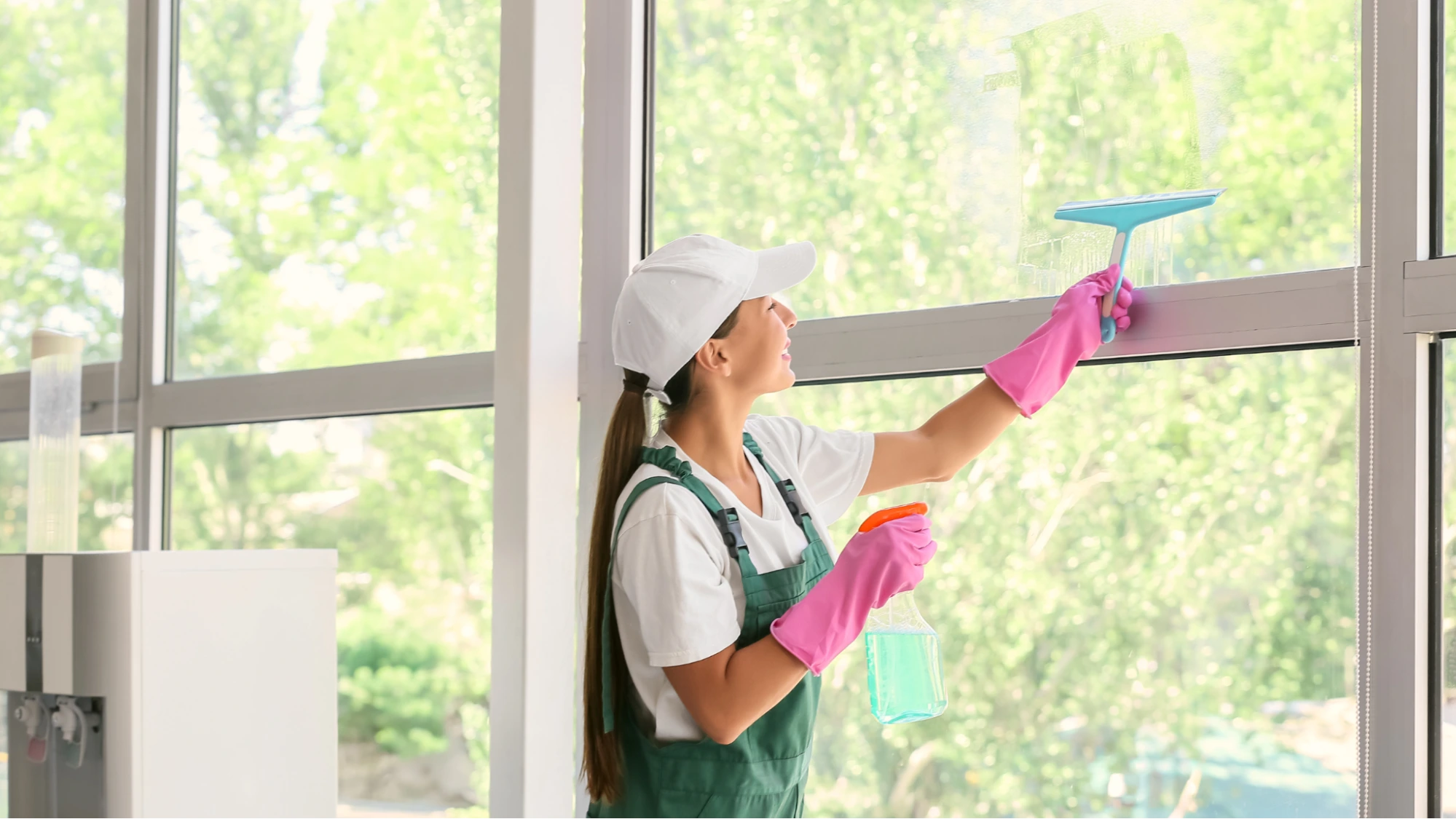
If you manage commercial property in Connecticut, you already know the drill. A tenant sends a complaint about the lobby at 7 a.m. The cleaning company doesn’t answer the phone until 10. By the time someone shows up, the morning rush has already walked past three overflowing trash cans and a smudged glass entry door. Sound familiar?
The trouble with hiring a commercial cleaner isn’t finding one. It’s finding one that actually understands what commercial cleaning means and delivers it without you having to micromanage every visit. Here in Fairfield and New Haven County, the difference between a reliable partner and a headache usually shows up within the first few service dates.
This post walks through what commercial cleaning really includes, how it differs from a standard residential cleaning service, and what to look for when you’re evaluating a vendor. By the end, you’ll have a clearer checklist for your next walkthrough and a better sense of what questions to ask before anyone signs a contract.
What commercial cleaning actually includes (and what it doesn’t)
Commercial cleaning is the professional upkeep of non-residential spaces. Think office buildings, medical facilities, retail storefronts, warehouses, schools, and mixed-use properties. It covers the day-to-day cleaning that keeps a workplace presentable, plus the deeper work that keeps it safe and sanitary over time.
A typical commercial cleaning scope includes:
- Floor care (sweeping, mopping, vacuuming, buffing, and periodic stripping or waxing)
- Restroom sanitation and restocking
- Trash removal and recycling
- Dusting of surfaces, fixtures, vents, and high-touch areas
- Interior window and glass cleaning
- Kitchen and breakroom cleaning
- Disinfection of shared touchpoints like door handles, elevator buttons, and light switches
What commercial cleaning usually doesn’t include: post-construction cleanup, exterior window washing (often a separate specialty), biohazard remediation, or deep industrial equipment cleaning. Those jobs exist, but they’re typically scoped as add-ons or specialty services rather than part of a recurring contract.
The key is scope clarity. A good commercial cleaner will tell you upfront what’s in the contract and what isn’t, so there are no surprises six months later when a tenant asks why the carpet hasn’t been deep cleaned.
Commercial cleaning vs. residential cleaning: is there a difference?
On the surface, cleaning is cleaning. A mop is a mop, a vacuum is a vacuum. But if you’ve ever hired a residential-only company to handle a 10,000 square foot office and watched it go sideways, you already know the two jobs aren’t interchangeable.
Residential cleaning is built around a home. Small teams, familiar product lines, a predictable layout, and usually a single decision-maker (the homeowner) to satisfy. The work is thorough, but the scale and compliance requirements are modest.
Commercial cleaning is built around buildings that the public walks through. That changes almost everything. Crews are larger and scheduled around business hours. Equipment is heavier-duty (auto-scrubbers, backpack vacuums, commercial floor machines) because the square footage demands it. Chemicals are selected to meet OSHA standards and occupancy codes, not just to smell nice. Insurance, bonding, and background checks are table stakes because the liability sitting inside a commercial property is a different order of magnitude.
Why does this matter when you’re hiring? Because a property manager in Stamford or New Haven who brings in a residential-only cleaner to handle an office building often finds out the hard way: the crew is too small, the equipment isn’t rated for the floor type, and the insurance doesn’t cover a slip on a wet lobby tile. Commercial cleaning isn’t just residential cleaning at a bigger address. It’s a different discipline.
What CT property managers should look for in a commercial cleaning partner
If you’ve been through a few cleaning vendors, you already know the pitch looks good on every proposal. The real test is what happens on day 30, day 90, day 180. Here’s what actually matters.
A dedicated crew, not a rotating cast
If the same two or three people clean your building every week, they learn your layout, your tenants’ quirks, and your standards. New faces every visit means you’re starting over constantly.
One point of contact
You shouldn’t have to call a dispatcher, leave a voicemail, and hope someone returns it. A real account manager answers when something needs attention.
Insurance and compliance documentation
Commercial properties carry liability that residential cleaners simply aren’t built for. Ask for proof of general liability coverage, workers’ comp, and bonding before the first walkthrough.
Transparent pricing and documented service logs
You shouldn’t be guessing whether a visit happened. A reputable vendor logs each service, flags issues proactively, and keeps invoicing simple to review.
Local presence
Connecticut winters don’t care about cleaning schedules. A vendor based in Fairfield or New Haven County can respond to a burst pipe, a salt-tracked lobby, or a last-minute tenant request without driving in from two counties over.
How to evaluate reliability before signing a contract
The proposal phase is where companies put their best foot forward. Here’s how to see past the polish.
Ask for references from current clients. Not just any references: ask specifically for property managers with portfolios similar to yours in size and building type. Then actually call them. Two minutes on the phone tells you more than two hours reading a pitch deck.
Request a trial walkthrough or pilot visit. Any serious commercial cleaner in Connecticut will agree to a free site visit and a written scope proposal. If a company resists that step, take it as a signal.
Read the contract carefully. Look for the cancellation clause, the response time commitment for complaints, and whether scope changes require written amendments. Vague language now becomes expensive disputes later.
Check how they handle crew turnover. Every company loses staff occasionally. The question is what happens when they do. The answer you want is a documented handoff process and continued quality, not a shrug and a new name on the schedule.
Commercial cleaning services in Fairfield and New Haven County
If you’re searching for commercial cleaning services near me in Stamford, New Haven, Bridgeport, Greenwich, Norwalk, or anywhere in between, the local market has plenty of options. Size isn’t the issue. Consistency is.
Orange Cleaning Services has spent 35 years working with property managers, business owners, and building operators across Fairfield and New Haven County. Our model is built around the things most property managers say they actually want: an assigned crew that knows your building, one person to call when something comes up, and service logs that hold up to an ownership review.
We clean office buildings, medical offices, retail spaces, and mixed-use properties throughout Connecticut. Whether your contract is five hours a week or forty, the expectation is the same: show up, do the work, communicate proactively, and never be the problem you have to manage.
Where to go from here
Commercial cleaning isn’t complicated in theory. The scope is defined, the tasks are measurable, and the standards are easy to audit. What’s hard is finding a vendor that executes the basics consistently, visit after visit, without needing you to hover over every detail.
If you’re between vendors or just tired of the one you have, the next step is simple. Schedule a walkthrough, get a written scope, and see how a company treats you before they’ve won the business. That’s usually the clearest signal of what the next year of service will look like.
Contact Orange Cleaning Services today for a free commercial cleaning walkthrough and quote for your Fairfield or New Haven County property. You’ll get a clear scope, transparent pricing, and a real conversation about what reliable commercial cleaning actually looks like.
Common Questions About Commercial Cleaning in Connecticut
What is commercial cleaning?
Commercial cleaning is the professional cleaning of non-residential spaces like offices, retail stores, medical buildings, schools, and warehouses. It covers routine upkeep (trash, restrooms, floor care, dusting, disinfection of touchpoints) along with deeper periodic work such as carpet extraction, floor waxing, and high dusting. Scope and frequency depend on the building type and the contract.
What is the difference between cleaning and commercial cleaning?
General or residential cleaning is built around homes: small crews, standard equipment, and a focus on living spaces. Commercial cleaning is built around workplaces and public-facing buildings: larger crews, commercial-grade equipment, stricter insurance and compliance standards, and scheduling that fits around business hours. The tasks can look similar, but the scale, liability, and documentation are on a different level.
How much does commercial cleaning cost per hour?
Hourly rates in Connecticut generally run between $30 and $50, depending on building size, service frequency, scope, and location. Larger buildings often negotiate square-footage pricing or flat monthly contracts instead of an hourly rate. Most commercial cleaners in Fairfield and New Haven County will provide a written quote after a free walkthrough, which is the most accurate way to know what your property will actually cost.
How often should a commercial building be cleaned?
It depends on foot traffic, building type, and tenant expectations. A busy medical office or a Class A office tower in Stamford may need nightly service, while a small professional office might only need two to three visits a week. Shared restrooms, lobbies, and high-touch areas almost always need daily attention, while floor care, window cleaning, and deep carpet work usually run on monthly or quarterly cycles.
Are commercial cleaning services worth it for small businesses?
For most small businesses in Connecticut, yes. A professional cleaning contract removes the burden from staff, protects the appearance that clients and customers see, and often costs less than the hidden price of employees cleaning on the clock. Even a weekly or biweekly visit can make a noticeable difference in how a small office or storefront presents itself.