
Running a restaurant in Connecticut means juggling a hundred things before the doors even open. Staff, supplies, reservations, and food costs. Somewhere in that chaos, cleaning needs to happen. Not just the quick wipe-down your team does at close, but the kind of deep, systematic cleaning that keeps your kitchen safe, your dining room inviting, and your health inspection scores where they need to be.
The problem is that most restaurant owners aren’t sure what professional restaurant cleaning services actually cover. Is it just mopping and trash? Does it include the hood system? What about grease traps? And the bigger question: does the crew actually understand what a Connecticut health inspector is looking for when they walk through your door?
This post breaks down what professional restaurant cleaning includes, how it differs from your nightly closing routine, and what CT inspectors focus on during their visits. Whether you’re in Stamford, New Haven, or Norwalk, this should help you figure out where the gaps are and what it takes to close them.
Front-of-House vs. Back-of-House: The Cleaning Divide Most Restaurants Miss
Here’s a pattern that comes up over and over: the dining room looks great, but the kitchen tells a different story. Or the kitchen passes muster, but the restrooms haven’t been touched properly in days. Restaurant cleaning isn’t one job. It’s two very different jobs that require different tools, different products, and different standards.
Front-of-House Cleaning
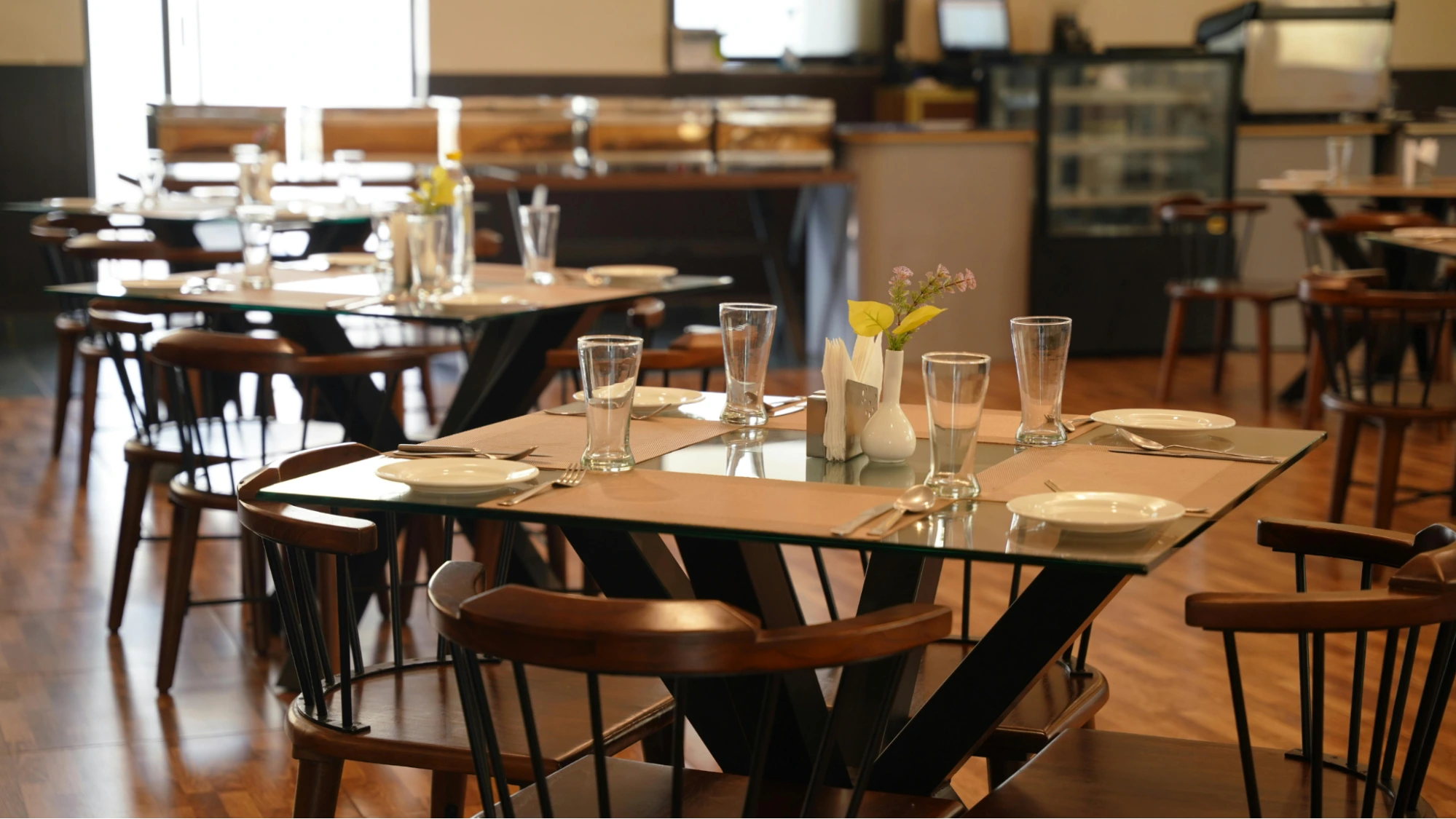
This is everything your guests see and touch. Dining tables, chairs, booths, bar tops, menus, door handles, host stands, and restrooms. A sticky menu or a dirty restroom doesn’t just lose you a Yelp star. It signals to health inspectors that attention to detail might be lacking throughout the operation.
Professional front-of-house cleaning covers:
- Sanitizing all dining surfaces, including booth seams and table edges
- Deep cleaning restrooms (fixtures, grout, dispensers, mirrors, floors)
- Cleaning windows, door glass, and entryway floors
- Wiping down bar tops, tap handles, and point-of-sale stations
- Vacuuming or mopping dining room floors, including under furniture
Back-of-House Cleaning
This is where the stakes go up. The kitchen, prep areas, walk-ins, dish pits, and storage rooms are where most health code violations happen. Grease buildup on floors. Food debris under the equipment. Dirty drain covers. These aren’t cosmetic issues. They attract pests, create slip hazards, and can lead to failed inspections or even temporary closures.
Professional back-of-house cleaning covers:
- Degreasing floors, walls, and equipment surfaces
- Cleaning and sanitizing prep tables, cutting boards, and food contact surfaces
- Scrubbing floor drains and removing buildup
- Cleaning behind and underneath cooking equipment (fryers, ranges, flat-tops)
- Wiping down shelving, storage racks, and walk-in cooler interiors
Most in-house closing teams handle surface-level tasks well. But pulling out a six-burner range to clean the wall behind it? That’s where professional restaurant cleaning fills the gap.
What Health Inspectors Look for During a CT Restaurant Inspection
Connecticut adopted the FDA Food Code in 2023, which changed how inspections are conducted across the state. The old numerical scoring system is gone. Inspectors now categorize violations by risk level, with priority items, priority foundation items, and core items each carrying a different weight. Knowing what inspectors are trained to look at can help you focus your cleaning efforts where they matter most.
Here are the cleanliness-related areas that consistently draw violations in CT inspections:
- Floors and walls with grease accumulation, especially near cooking equipment and grease traps
- Non-food-contact surfaces with visible buildup of dust, food particles, or grime (hoods, fans, shelving)
- Missing or empty soap, paper towel, or sanitizer dispensers at handwash stations
- Unclean equipment attachments, undercarriages, or hard-to-reach surfaces on self-service units
- Dirty floor drains, clogged or poorly maintained grease traps, and standing water
- Improperly cleaned and stored utensils, cutting boards, and portable equipment
Inspectors aren’t just looking at whether things appear clean. They’re checking whether food-contact surfaces are properly sanitized, whether your team has the supplies to wash hands correctly, and whether your equipment maintenance supports safe food handling. A sparkling dining room won’t offset a greasy hood system or a neglected walk-in floor.
What Professional Restaurant Cleaning Actually Covers (Beyond the Obvious)
A professional restaurant cleaning service goes beyond what your closing crew can reasonably handle on a nightly basis. It’s not about replacing your team’s daily work. It’s about supplementing it with deeper, more technical cleaning that prevents the slow buildup of grease, grime, and contamination, which leads to failed inspections and pest problems.
A typical commercial kitchen cleaning service includes:
- Full degreasing of floors, walls, and ceilings in cooking areas
- Deep cleaning of hood systems, exhaust fans, and vent filters
- Cleaning behind, beneath, and around all major equipment
- Sanitizing walk-in coolers and freezers, including shelving and door gaskets
- Scrubbing tile grout, baseboard edges, and wall-floor joints where bacteria thrive
- Restroom deep cleaning with hospital-grade disinfectants
- Window and glass cleaning throughout the dining area
- Trash area and dumpster pad cleaning
The difference between a standard commercial cleaning crew and a restaurant cleaning company is specialization. General office cleaners don’t know that ceramic tile grout in a commercial kitchen needs a degreasing agent, not a standard floor cleaner. They don’t understand that walk-in cooler shelves need food-safe sanitizer. That knowledge gap is exactly where inspection violations live.
How Often Should CT Restaurants Schedule a Professional Cleaning Service?
There’s no single answer because it depends on your volume, your menu, and how much grease and moisture your kitchen generates. But here’s a general framework that works well for most Connecticut restaurants:
- Daily (handled by your team): Surface wiping, floor sweeping and mopping, dish sanitization, restroom checks, and trash removal. This is your baseline.
- Weekly (professional service): Deep floor degreasing, restroom deep cleaning, dining room detailing, and equipment exterior cleaning. This keeps buildup from gaining a foothold.
- Monthly (professional service): Behind-equipment cleaning, walk-in cooler and freezer deep clean, grout and drain scrubbing, and wall washing in cooking areas.
- Quarterly (professional service): Hood and exhaust system cleaning, ceiling and vent cleaning, and a full facility deep clean. This is your inspection-readiness reset.
High-volume restaurants, especially those running fryers or charbroilers, may need weekly back-of-house deep cleaning instead of monthly. A pizzeria in New Haven generating flour dust and cheese residue all day long has different needs than a seafood spot in Norwalk. The right cleaning schedule reflects your specific operation, not a generic template.
Finding a Restaurant Cleaning Company in Fairfield and New Haven County
Not every commercial cleaning company is equipped for restaurant work. Before you sign a contract, there are a few things worth asking:
- Do they have specific experience with commercial kitchen environments, not just offices or retail?
- Can they work around your operating hours, including late-night or early-morning scheduling?
- Do they use food-safe, commercial-grade degreasers and sanitizers?
- Are they familiar with what CT health inspectors look for?
- Can they provide a consistent crew so you’re not retraining new faces every visit?
Orange Cleaning Services has been providing commercial cleaning across Fairfield County and New Haven County for 35 years. That includes restaurant cleaning for kitchens, dining rooms, restrooms, and everything in between. We assign dedicated crews who learn your space, your equipment, and your standards, so you’re not starting from scratch every time someone shows up.
If you’ve ever had a cleaning crew show up with the wrong products or disappear after two visits, you already know why the right restaurant cleaning company matters. It’s not just about passing your next inspection. It’s about building a routine that keeps your kitchen safe, your guests comfortable, and your team focused on food instead of floors.
Common Questions About Restaurant Cleaning Services
What does a restaurant cleaning service include?
A professional restaurant cleaning service includes degreasing kitchen floors and walls, deep cleaning hoods and exhaust systems, sanitizing prep surfaces and walk-in coolers, scrubbing floor drains and grout, and detailing dining areas and restrooms. The scope goes well beyond what a nightly closing routine covers, targeting the buildup that leads to health code violations and pest issues.
How much does restaurant cleaning cost in Connecticut?
Pricing depends on your restaurant’s size, kitchen layout, and how frequently you need service. A small cafe will cost less than a full-service restaurant with multiple cooking lines. Most restaurant cleaning companies in CT offer customized quotes based on a walkthrough. Contact Orange Cleaning Services for a specific estimate based on your space.
How often do restaurants need professional cleaning?
Most restaurants benefit from weekly professional cleaning for dining areas and restrooms, monthly deep cleaning for kitchen equipment and walk-ins, and quarterly cleaning for hood systems and ceilings. High-volume kitchens with heavy grease output may need more frequent service. Your cleaning schedule should match your operation’s intensity, not a one-size-fits-all calendar.
What’s the difference between restaurant cleaning and regular commercial cleaning?
Restaurant cleaning requires knowledge of food-safe sanitizers, commercial kitchen equipment, grease management, and health code standards. Regular commercial cleaning crews are trained for offices, lobbies, and retail spaces. They typically don’t carry the degreasers, tools, or experience needed for hood systems, grease traps, or food-contact surface sanitation.
Can a cleaning service help me pass a health inspection in CT?
A good restaurant cleaning service won’t guarantee a perfect score, but it will address the cleanliness-related violations that inspectors most often flag: grease buildup, dirty equipment surfaces, neglected drains, and unsanitary restrooms. Consistent professional cleaning keeps your facility in a state of readiness rather than scrambling before an inspector walks in.
Do I still need my staff to clean if I hire a professional service?
Yes. Your team handles the daily essentials: wiping surfaces, sweeping, mopping, and dish sanitation during and after service. Professional cleaning supplements that work by tackling the deeper tasks your staff can’t do during a shift, like pulling out equipment, degreasing walls, and deep cleaning drains and coolers.
A Clean Kitchen Is a Compliant Kitchen
Restaurant cleaning isn’t something you can fully handle with your closing crew alone. The standards that CT health inspectors enforce are specific, and the consequences of falling short are real. A well-structured cleaning plan, supported by a professional team that understands commercial kitchens, is one of the most practical investments a restaurant can make.
If you operate a restaurant in Stamford, New Haven, Norwalk, or anywhere in Fairfield County or New Haven County, Orange Cleaning Services can help you build a cleaning schedule that keeps you inspection-ready year-round. Contact Orange Cleaning Services today to schedule a walkthrough and see what a professional restaurant cleaning program looks like for your space.